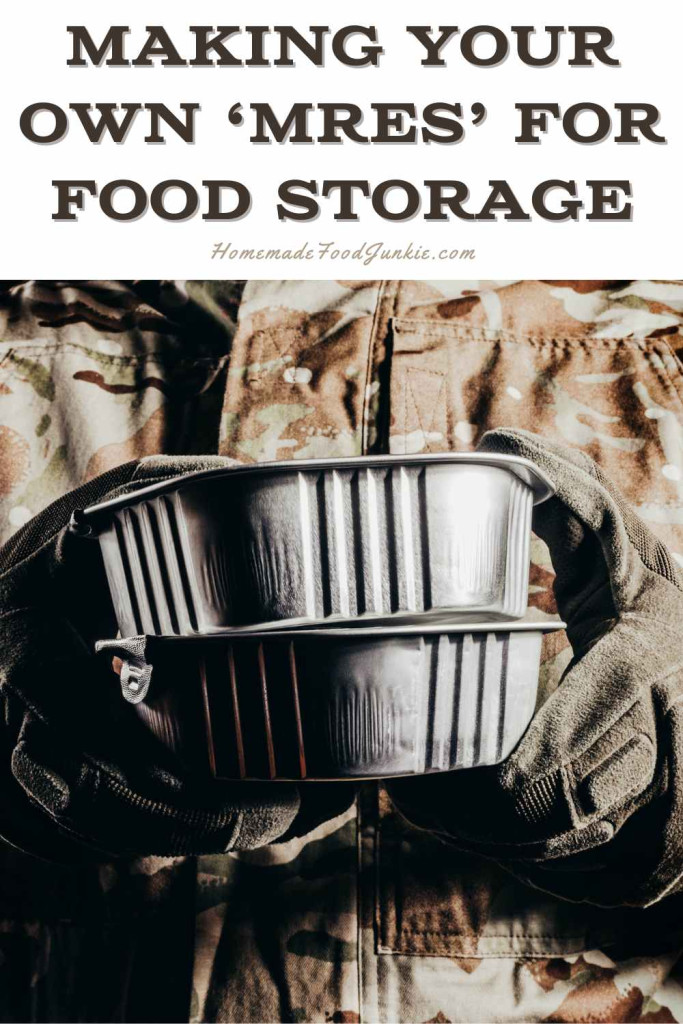
The freeze dried MRE (meal ready to eat) is a fantastic concept for home cooks and gardeners with a freeze dryer. Making your own homemade MREs gives you all kinds of options for creating nutritious, cost-effective meals your family already enjoys for both short- and long-term storage.
A home freeze dryer opens up lots of possibilities for lightweight camping meals, emergency food, hiking rations and quick meals at home. After making and using freeze-dried meals myself, I realized something important:
Not every situation in the wild is best served by relying entirely on freeze-dried food.
This post is about building an MRE strategy around the situation you will actually be in when you eat the food.
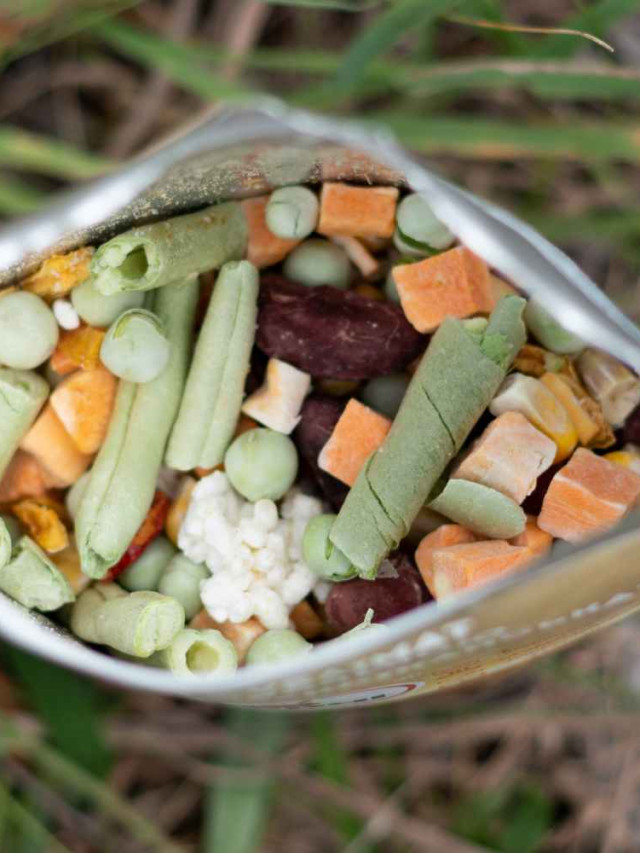
Freeze dried MRE rations pack easily, are light weight and can give you the nutrition you need to sustain you on your trip. However, before deciding what to freeze dry, ask yourself:
Where will I eat this food, and what will my limiting resources be when I get there?
- Maybe you have plenty of water but almost no time to cook.
- Maybe water is available along your route, but you have to carry everything else on your back.
- Maybe you will be dry camping and every ounce of water has to come with you.
- Maybe you are boondocking with a stove, water and plenty of storage space, so weight isn’t nearly as important.
- Or maybe these meals are going into your home emergency pantry, where storage, convenience and reliability matter more than pack weight.
Those situations require very different food plans.
A good homemade field ration is a meal system designed around where you are going, the resources you will have and what your body will need while you are there.
That is where a home freeze dryer becomes really useful—for part or all of your homemade MRE system, depending on the situation. My Harvest Right Freeze Dryer has opened a whole new world of food preservation for me, with tremendous flexibility for building food supplies that fit very different needs.
For example, keeping fully cooked freeze-dried meals on hand gives us quick dinners that may need little more than water, rehydration and warming. Homemade spaghetti, chicken Alfredo, soups, stews, casseroles and skillet dinners can all become individual or family-sized meals for busy weeknights, camping trips or emergency food supplies. You can find many good candidates in our Easy Weeknight Dinners collection.
But those meals need water.
Will you have it?
And what about heat?
Heat isn’t always necessary, but when you are tired, cold or hungry on the trail, a warm meal can be awfully welcome.
Those are the questions to answer before deciding what belongs in your MRE.
What Do We Mean by a Homemade MRE?
MRE stands for Meal, Ready to Eat.
People outside the military often use the term pretty loosely for camping meals, emergency rations and other portable meal packages. That’s how I’m using it here.
A homemade MRE might consist of:
- a complete freeze-dried dinner that needs hot water,
- taco meat that can be rehydrated and rolled into a tortilla,
- an oatmeal breakfast packet made with powdered freeze-dried fruit,
- a collection of dry foods that can be eaten without cooking,
- or a family-sized freeze-dried meal stored for an emergency.
Official U.S. military MREs are different products. They are self-contained operational rations whose entrées are generally moist, shelf-stable foods that can be eaten without rehydrating them. Watch how a military MRE is packaged and used
We’re borrowing the useful concept rather than trying to duplicate a military ration.
The idea is simple:
Put together enough appropriate food to make a practical meal wherever you intend to eat it.
Start With the Most Limiting Part of Your Trip
Good meal planning starts with your biggest constraint.
Food, water, fuel, cooking equipment and pack weight all have to work together.
If you can’t feed yourself adequately, an active trip can go downhill quickly.
But carrying too much food or too much water can create a completely different problem.
Before making freeze-dried field meals, ask yourself:
Will I Have Water?
If water is readily available, complete freeze-dried meals make a lot of sense.
Think:
- spaghetti with meat sauce,
- chili,
- chicken and rice,
- beef stew,
- small-pasta meals,
- skillet dinners,
- soups,
- deconstructed lasagna,
- or oatmeal.
If water is scarce and you must carry every drop, don’t build your entire food plan around meals that require rehydration.
Use more ready-to-eat dry foods and save your water-dependent meals for times when you know you will have water available.
Will I Have a Way to Heat Water?
If you have a stove, fire or another reliable heat source, you have many options.
If you have water but no heat, you need meals you have already tested for cold rehydration or foods that can be eaten without rehydrating.
Do not assume that because a food is freeze dried it will become pleasant to eat after ten minutes in cold water.
Test it at home.
How Much Weight Can I Carry?
This is one of the biggest advantages of freeze drying.
Removing water makes many foods dramatically lighter.
That can turn homemade spaghetti, beef stew or chicken and rice into very practical backpacking food.
But remember: if you have to carry all the water needed to rehydrate those meals, you are carrying some of that weight separately.
For hiking trips, water availability along the route needs to be part of the food plan.
How Much Time Will I Have to Cook?
A meal for an RV is different from dinner at a trailhead when darkness is coming.
If speed matters, design meals specifically for fast rehydration.
Use:
- small pieces,
- finely diced vegetables,
- shredded meats,
- cooked ground meat crumbles,
- small pasta,
- shorter noodles,
- or powders.
A large chunk of freeze-dried beef can take a surprisingly long time to absorb moisture all the way through.
How Much Energy Will I Need?
A leisurely campground weekend and several days of strenuous hiking are very different situations.
Someone hiking hard for hours needs enough food to keep going.
REI’s backpacking guidance gives a broad planning range of roughly 2,500 to 4,500 calories per person per day, depending on the person and the intensity of the trip.
Don’t take that number as a requirement for every person. Use it as a reminder that a light pack of food still needs to contain enough actual food to sustain and feed your body.
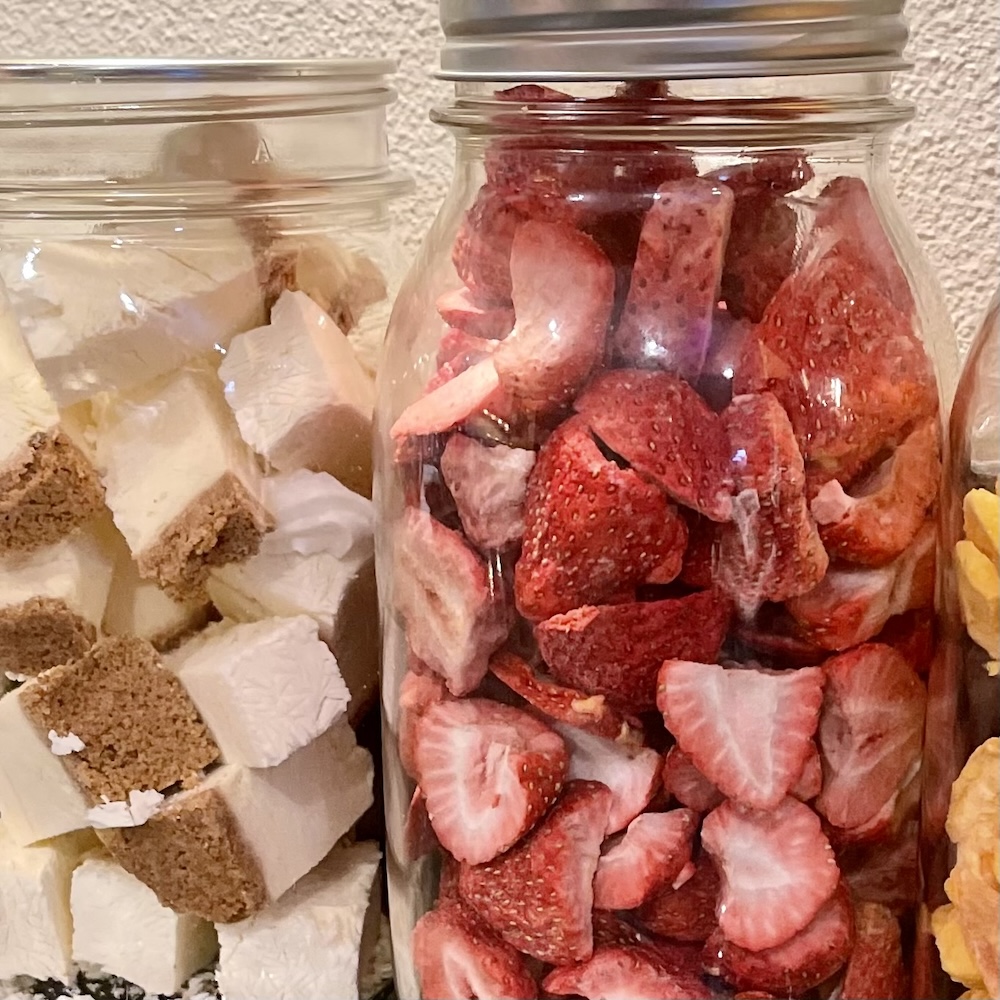
A bag of freeze-dried strawberries may weigh almost nothing. It is not dinner.
Use the Freeze Dryer Where It Actually Helps
Owning a freeze dryer does not mean every food in your field ration should go through it.
Some foods are already excellent trail foods.
Nuts, nut butters, granola bars, trail mix, crackers and many other dry foods already have very little water to remove.
Putting them through an expensive freeze-drying cycle may accomplish very little.
The freeze dryer is most valuable when removing water substantially improves the food for storage or transport.
For example:
Whole fruit becomes extremely lightweight.
Cooked taco meat becomes lightweight crumbles.
Shredded roast becomes a portable protein.
Cooked spaghetti becomes a lightweight complete dinner.
Applesauce can become a powder.
Cooked eggs can become small crumbles or powder.
A pot of chili can become several lightweight meals.
USDA already recommends foods such as peanut butter, jerky, dried fruits, nuts, dehydrated foods, powdered milk and shelf-stable foods for longer hiking and camping trips.
Use those foods where they make sense.
Then let your freeze dryer fill the gaps.
Change the Form of the Food to Fit the Trip
One of the most useful things I have learned about freeze-dried meals is that the physical form of the food matters.
The same ingredient can work very differently depending on how you prepare it.
| Food | Normal Dinner Form | Better Field-Ration Form |
|---|---|---|
| Pot roast | Large pieces or slices | Shredded beef |
| Steak | Whole steak | Small uniform pieces |
| Ground beef | Patties or large crumbles | Small cooked crumbles |
| Chicken | Breast or large chunks | Diced or shredded |
| Eggs | Large scrambled curds | Small crumbles or powder |
| Applesauce | Purée | Freeze-dried powder |
| Fruit | Large pieces | Small pieces or powder |
| Spaghetti | Long noodles | Shortened noodles |
| Lasagna | Thick layered square | Loose or deconstructed lasagna |
| Beef stew | Large meat and vegetable chunks | Small evenly sized pieces |
Small uniform pieces provide more exposed surface area for water to enter.
Powders hydrate even faster.
That does not mean powdering eliminates the water requirement. If you want to recreate the original food, approximately the water that was removed still has to go back.
What smaller pieces and powders can greatly reduce is rehydration time and the risk of finding a hard, dry center.
University of Minnesota Extension recommends weighing food before and after freeze drying when you intend to rehydrate it. The difference in weight provides a useful starting point for determining how much water was removed.
Will You Have Water and Heat? Make Complete Meals
This is where the freeze dryer really shines.
Cook a complete dinner, freeze dry it, portion it and later add water and heat.
Good candidates include:
- chili,
- spaghetti with meat sauce,
- taco chili mac,
- chicken and rice,
- beef and rice meals,
- hamburger soup,
- small-pasta skillet meals,
- casseroles that can be broken into small pieces,
- and soups or stews.
These are real meals rather than survival snacks.
Choose Loose, Mixed Meals When Possible
Unstructured dinners are particularly useful.
Rice, small pasta, ground meats, shredded meats, beans, chopped vegetables and sauce naturally mix together.
You aren’t trying to restore a perfect shape.
That makes these meals much easier to adapt for drying and later rehydration.
Our Easy Weeknight Dinners] collection contains many recipes built this way.
Some good possibilities from our own kitchen include:
- Taco Chili Mac and Cheese:
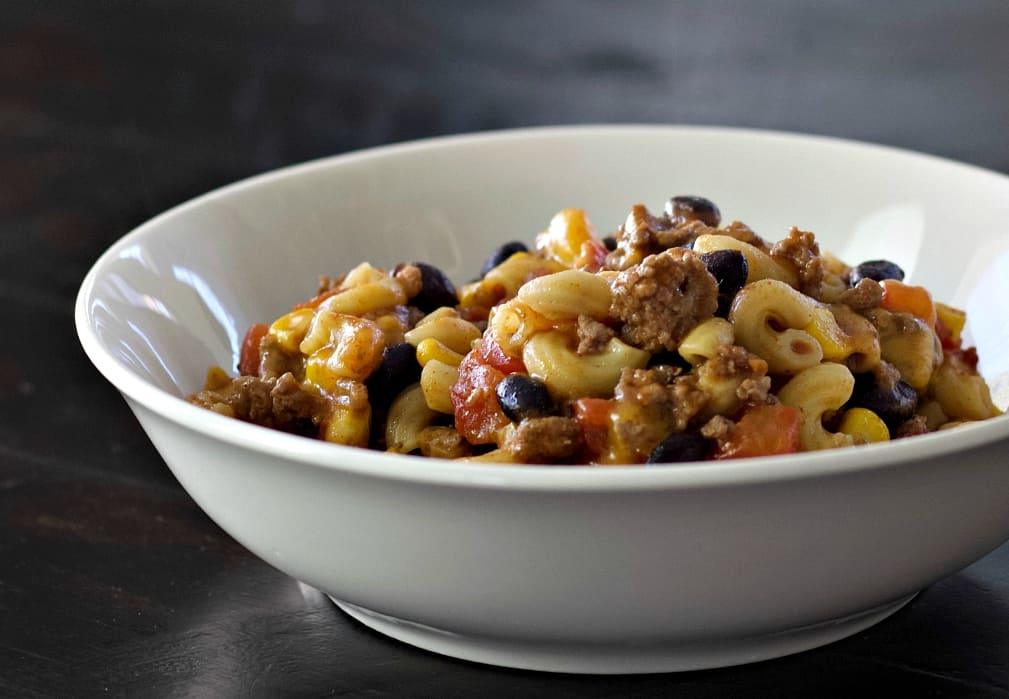
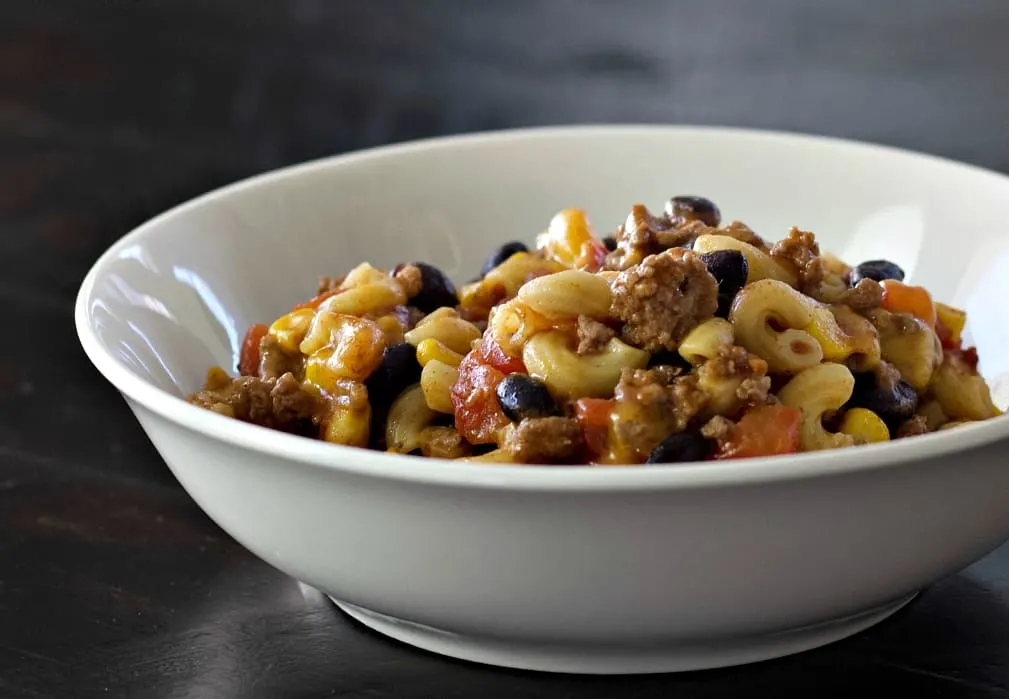
Ground beef, beans, tomatoes and macaroni already form a mixed meal. For longer freeze-dried storage, I would pay attention to the amount of cheese and fat and drain the beef thoroughly. - Quick and Easy Unstuffed Pepper Skillet Dinner:
Rice, ground beef and peppers already have excellent field-meal architecture. Cut the peppers fairly small and drain excess beef fat. - Mexican Rice and Chicken One Pot Dinner:
Rice provides the carbohydrate base and chicken adds protein. Dice the chicken into small uniform pieces for faster drying and rehydration. - Crock Pot Beef and Rice Stew:
This can become a substantial field dinner, but I would make the meat and vegetables smaller than I normally would for the dinner table. - Crock Pot Hamburger Soup
Ground beef, beans and small vegetables make this adaptable. Small pasta can also be added if you want additional carbohydrate.
And there are many more Italian, Mexican, Cajun and American-style skillet dinners on the site that use this same basic meal architecture.
Browse our Easy Weeknight Dinners Hub and look especially at the rice, one-pot, skillet and small-pasta recipes.
Adapt the Recipe Instead of Rejecting It
A favorite recipe doesn’t have to be perfect for freeze drying in its original form. Change what needs changing while keeping the flavors your family likes.
A pan of lasagna is a good example:
A beautiful thick square of layered 5 Cheese lasagna is designed for the dinner table. Delicious, sustaining, hearty food. Great for the trail but not likely to survive in a lovely form.

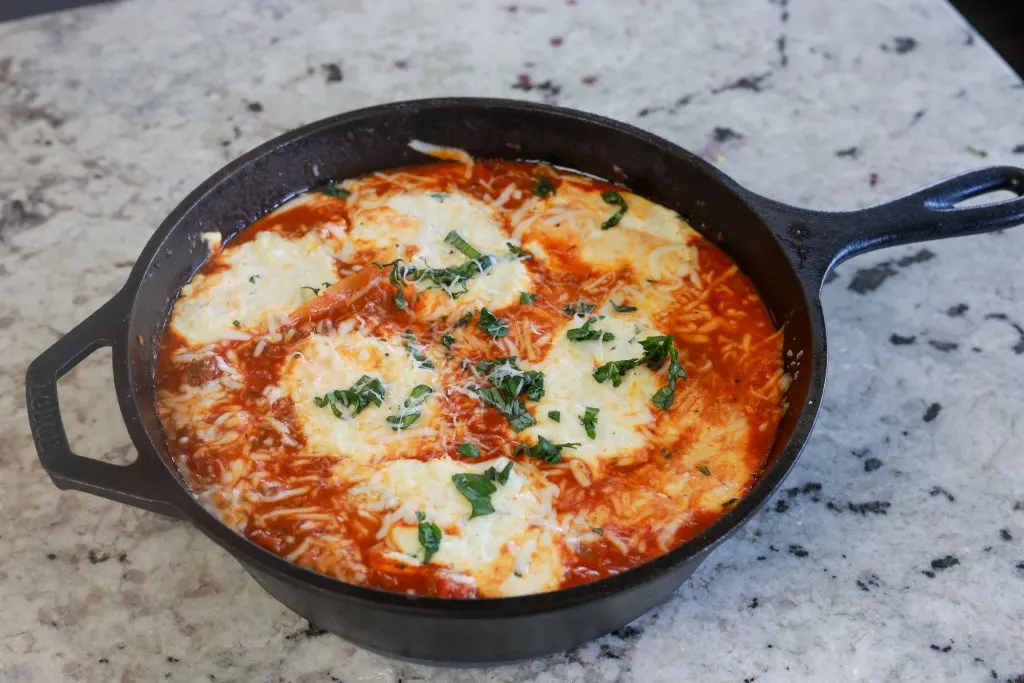
Instead, make a looser deconstructed lasagna, like our Lasagna skillet dinner. It’s’ quick and easy to make, uses small pasta pieces, lean meat sauce and a reasonable amount of cheese.
Freeze drying ensures you will keep the flavor of meal, its nutritional integrity, and you will have a light weight, ready to eat meal once rehydrated and, hopefully heated.
Plan your Meals for Freeze Drying so:
- You’ve simply changed its structure so it can dry and rehydrate more efficiently.
- This approach applies to many other meals.
- The structure of the meal (long noodles to short for example, can be revised to easily freeze dry and fit into your storage bag.
- Chicken breasts can be diced. Pot roast can be shredded, Large stew vegetables can be cut smaller, And big meatballs can become small cooked meat pieces.
The basic principle is simple: Preserve the meal, not necessarily its original shape.
Water Available but Time Is Short? Use Fillings + Carriers
This is one of my favorite field-meal ideas.
Freeze dry the part of the meal that benefits from freeze drying, and carry an already shelf-stable food to complete it.
Taco Meat + Tortilla
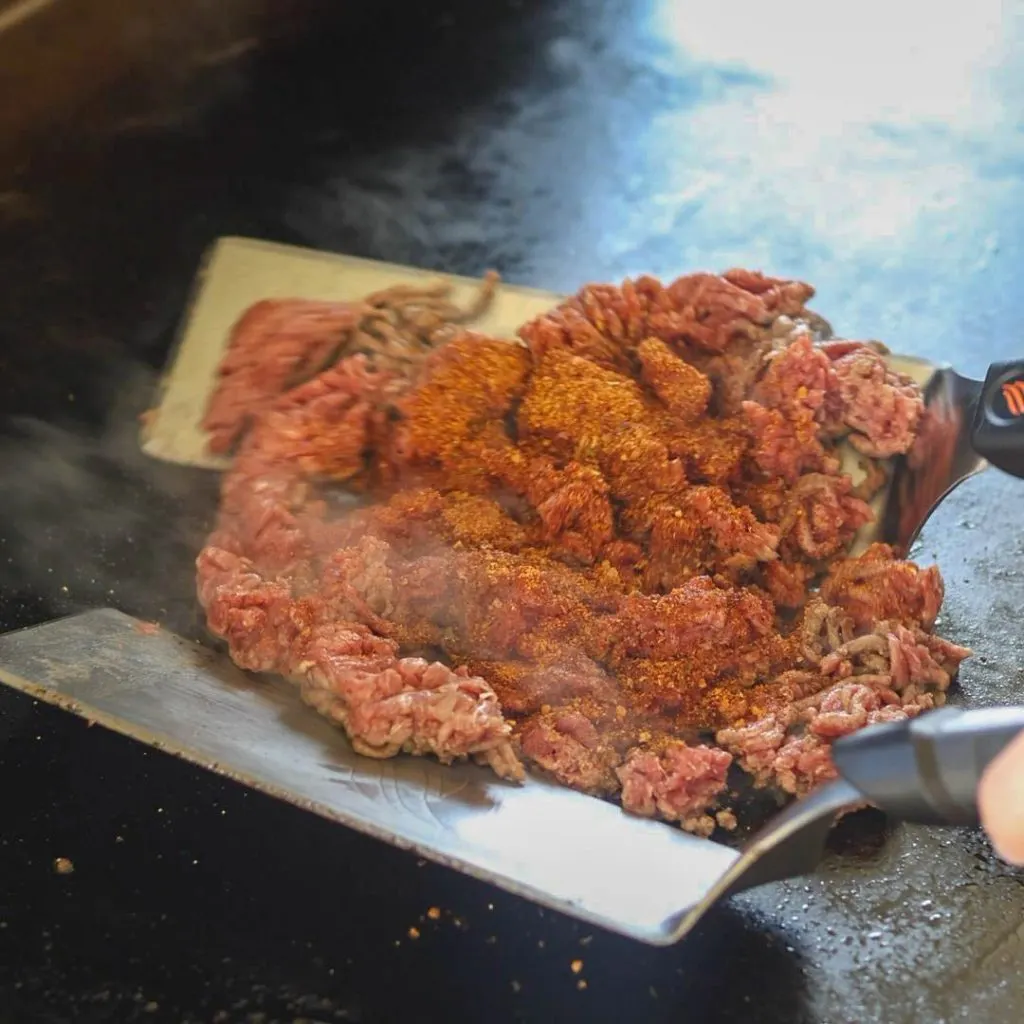
Cook ground beef completely, season it, drain the fat well and freeze dry it in small crumbles.
At mealtime, add the tested amount of water to the pouch and allow the meat to fully rehydrate.
Put it onto a tortilla, add a shelf-stable hot sauce packet if you like, roll it up and eat.
The tortilla never needed freeze drying.

Shredded Beef + Tortilla
Cook a lean roast until tender, remove the fat and bone, shred the meat and freeze dry it.
Rehydrate the shredded beef in the pouch and use it in a tortilla or flatbread.
Because the beef is shredded rather than left in large chunks, the water can penetrate much more quickly.
Read How to Freeze Dry Beef for our complete beef preparation, food-safety and rehydration guide.
Other Filling Ideas
This same method can work with:
- shredded chicken,
- Mexican-style chicken filling,
- sloppy-Joe-style meat,
- seasoned beans,
- breakfast egg filling, read about how to freeze dry eggs
- or other fully cooked mixtures that rehydrate well.
Think:
Freeze-dried filling + shelf-stable carrier = fast field meal.
Build Homemade Instant Oatmeal Rations
Breakfast is another place where you don’t need to freeze dry the whole meal.
Quick oats are already inexpensive, dry and lightweight.
Use the freeze dryer to make the ingredients that improve them.
A homemade oatmeal packet could contain:
- quick or instant oats,
- freeze-dried apple powder,
- small freeze-dried apple pieces,
- cinnamon,
- powdered milk,
- a little salt,
- and your preferred sweetener.
Nuts or seeds can be added without freeze drying them.
A nut butter packet can add additional calories, fat and protein.
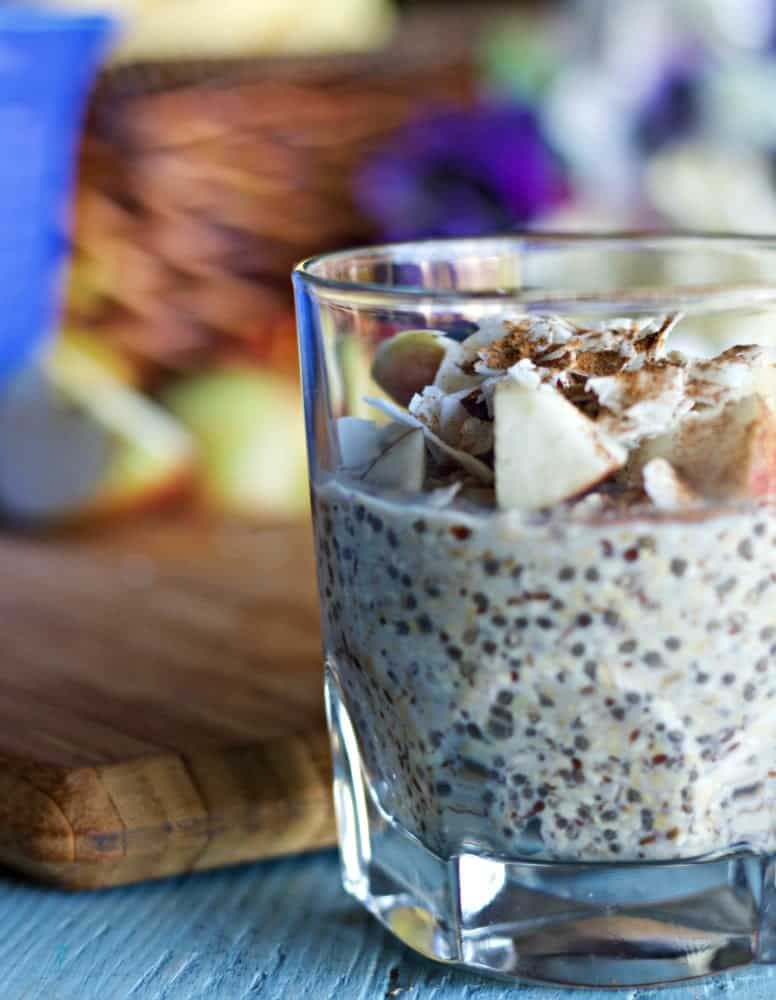
Apple Cinnamon Oatmeal
Freeze dry applesauce in a thin layer until completely dry, then break it up and powder it.
Mix the apple powder into the dry oats.
Add a few small freeze-dried apple pieces if you want texture.
Now the apple flavor is distributed throughout the breakfast instead of waiting for large fruit pieces to soften.
Berry Oatmeal
Powder some freeze-dried strawberries, raspberries or other berries.
Mix the powder with the oats and add some crumbled or whole freeze-dried berries.
The powder adds quick fruit flavor while the pieces give the oatmeal texture.
Why Powders Work So Well
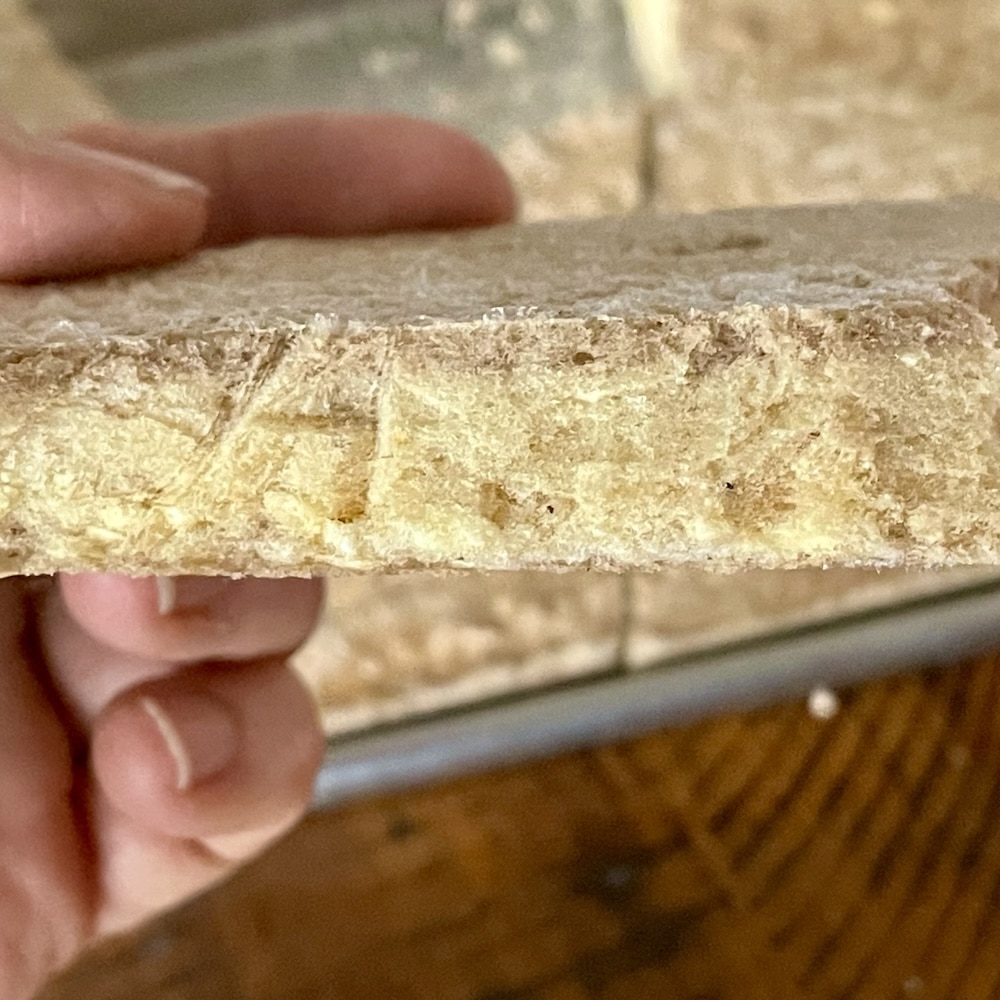
Powder doesn’t have a hard center that water needs to penetrate.
It disperses rapidly.
The same idea can apply to several field foods:
- cooked freeze-dried eggs,
- applesauce,
- berries,
- vegetable powders,
- soup bases,
- and other foods where maintaining the original shape isn’t important.
The key question is:
Do I need this food to look like the original food when I eat it?
If not, powder may make it substantially easier to use.
What If Water Is Limited?
This changes the entire meal plan.
Freeze drying removes water from food, but your body still needs water.
If every meal requires one or two cups of water to rehydrate, you need to know where that water is coming from.
When water is scarce, build more of the ration around foods that don’t require rehydration.
Good possibilities include:
- nuts,
- trail mix,
- nut butter,
- granola or energy bars,
- tortillas,
- crackers,
- pretzels,
- safely prepared shelf-stable jerky,
- dried fruit,
- and freeze-dried fruit that you enjoy eating dry.
USDA specifically lists nuts, dried fruit, jerky, peanut butter, powdered foods and other shelf-stable foods among useful choices for extended hiking and camping. Read more on that at USDA — What Foods Should I Pack for Hiking or Camping?
Freeze-dried fruit is particularly useful because it becomes exceptionally light and is often delicious straight from the package.
But don’t plan to eat large quantities of very dry freeze-dried foods without adequate drinking water.
Your ration plan and your hydration plan belong together.
Make Dry Ready-to-Eat Rations for No-Cook Days
Not every MRE needs a pot of hot water.
Sometimes the best ration is food you can pull from your pack and eat.
A dry field ration might combine:
- freeze-dried apple slices or berries,
- trail mix,
- nuts,
- jerky,
- a granola or protein bar,
- nut butter,
- crackers or tortillas,
- a tested freeze-dried crunchy vegetable,
- and a small sweet.
The important point is that everything in a homemade MRE does not need to be freeze dried. In fact, trying to freeze dry already-dry, high-fat foods such as nuts or ordinary trail mix usually gives very little advantage.
Keep the fresh or dehydrated foods you use packaged separately so the flavors don’t transfer.
Use the freeze dryer to add lightweight fruits, vegetables, proteins and meal components that would otherwise be difficult to carry without refrigeration.
Can Freeze-Dried Foods Be Eaten Dry?
Many appropriately prepared ready-to-eat freeze-dried foods can be eaten directly from the package.
Fruit is an obvious example.
Some cooked vegetables can also make enjoyable crunchy snacks, light seasoned green beans.
Fully cooked foods can sometimes be eaten dry as well, although not everything has a pleasant texture that way.
Large freeze-dried meat pieces, for example, can be extremely dry and hard.
Experiment at home rather than depending on something you have never eaten before.
Most importantly:
Freeze drying does not cook food or reliably kill pathogens.
Raw meat, poultry, eggs or other foods requiring a kill step do not become ready-to-eat simply because they have been freeze dried.
For field meals that will not receive a reliable cooking step, begin with ingredients that are already safe to eat.
Read Freeze Drying Food Safety before making ready-to-eat freeze-dried meals.
What If You Have Water but No Heat?
Cold rehydration can work for some foods.
It is generally slower than using hot water and not every meal is pleasant cold.
Good candidates should be tested at home under the same conditions you expect to encounter outside.
Instant oatmeal, finely divided ingredients and some small cooked meal components may work reasonably well.
A large freeze-dried beef chunk probably won’t.
Food safety also matters.
Once water has been added back to a freeze-dried perishable food, it becomes perishable again.
Don’t add water in the morning and carry a hydrated meat meal around in a warm backpack until afternoon.
Rehydrate meals close to the time you plan to eat them.
Smaller Pieces Save Time and Fuel
This deserves emphasis.
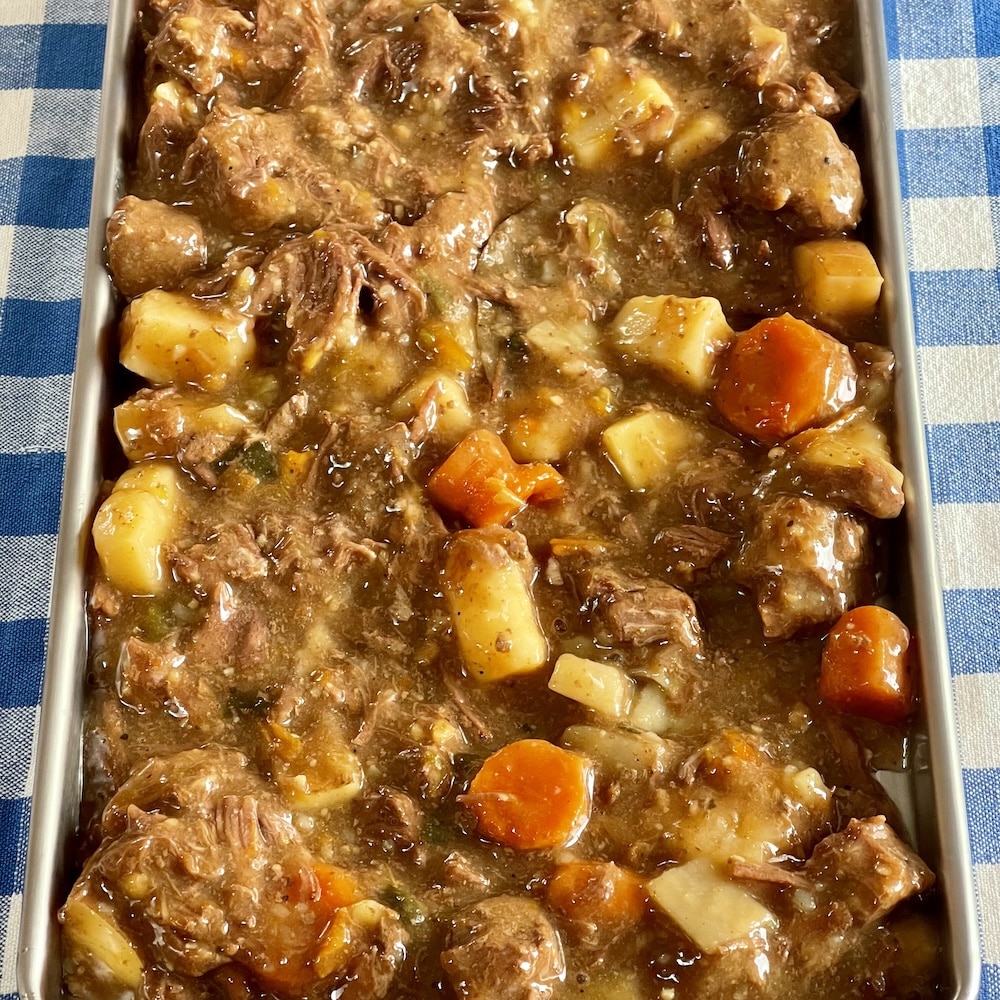
A food can be perfectly freeze dried and still be inconvenient in the field. I learned that with my beef stew.
My stew contained fairly large beef pieces. They dried, but when I reconstituted the meal, those pieces took much longer to absorb moisture than the rest of the stew.
If I’m home, that isn’t much of a problem.
If I’m standing beside a campfire and want dinner ready in half an hour, it matters. Next time I make beef stew specifically for field use, I will cut the beef and vegetables smaller and more evenly.
A good field meal should be designed so the components become ready at approximately the same time. Hopefully within a half hour.
Measure the Rehydration Water Before the Trip
Don’t sit at a campsite guessing how much water your spaghetti or other freeze dried MRE might need.
Measure it before you leave. Better yet, measure how much water you remove from your trays during the freeze drying process.
One very useful rehydration method is to weigh the food before and after freeze drying. The weight difference gives you a starting estimate of how much water was removed.
Then test an actual serving. Once you’re happy with the rehydration, Add that amount of water.
- Stir.
- Cover.
- Wait.
- Check the texture.
- Add more water if needed.
Then Record on the bag label:
Water required: ______
Rehydration time: ______
Write those numbers on the package.
This is much more useful than depending on a generalized online chart because your recipe, portions and ingredient sizes are your own.
Test the Meal at Home Before Depending on It
This is one of my strongest recommendations. Do not make twenty packages of a new field meal without testing one.
- Prepare it exactly as you expect to prepare it later.
- If you are planning a meal that needs only boiling water, don’t simmer it on the stove for half an hour during the test.
- If you plan to cold soak it, test it cold.
- If you expect it to be ready in twenty minutes, find out whether that is actually true.
Ask yourself:
- Did the food rehydrate completely?
- Were any meat pieces dry in the center?
- Did the pasta get mushy?
- Was there enough sauce?
- Did it need more water?
- Was the portion large enough?
- Was it satisfying?
- Did we actually enjoy eating it?
A successful freeze-dried meal survives storage well. AND it needs to become a nutritious, tasty meal that suits your purpose for it.
Plan Enough Food for the Actual Activity
Food planning isn’t just about avoiding hunger.
Someone working hard outdoors needs enough energy to continue safely and comfortably. Carbohydrates, protein and fat all have useful and necessary roles in sustaining you.
Keep in Mind:
- Freeze drying is excellent for lean proteins, cooked meals, fruits and vegetables.
- Fat is more complicated because freeze drying removes water, not fat.
- High-fat foods are generally less suitable for long-term freeze-dried storage because fats can oxidize and become rancid.
- An active person needs dietary fat.
- The freeze dryer may not be the best place to get all of it.
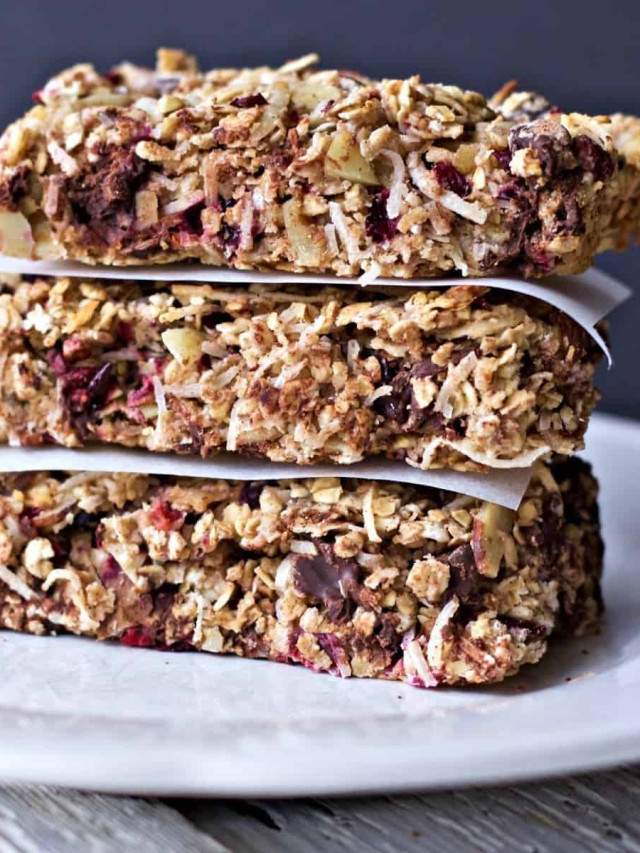
Nuts, nut butter, seeds, trail mix and other naturally shelf-stable foods supply calorie-dense fat without using freeze-dryer capacity.
This gives you a better hybrid ration.
Plan for Nutrition, Not Just Calories
When you are packing food for several days, getting enough calories is important—but calories alone don’t make a well-planned ration.
A person hiking hard for several days needs food that provides usable energy while also supplying protein, fat, vitamins, minerals and adequate fluids.
Your individual requirements will depend on your body size, the weather, elevation, how far you are traveling and how strenuous the activity is.
For practical backpacking planning, REI uses a broad range of about 2,500 to 4,500 calories per person per day, with higher needs generally associated with larger bodies and harder, longer days on the trail. Read more at REI — Backpacking Food and Meal Planning
Don’t treat that as a calorie prescription. Use it as a reminder to check whether the lightweight food you packed actually contains enough energy for the work you expect your body to do.
Carbohydrates Provide Important Trail Energy
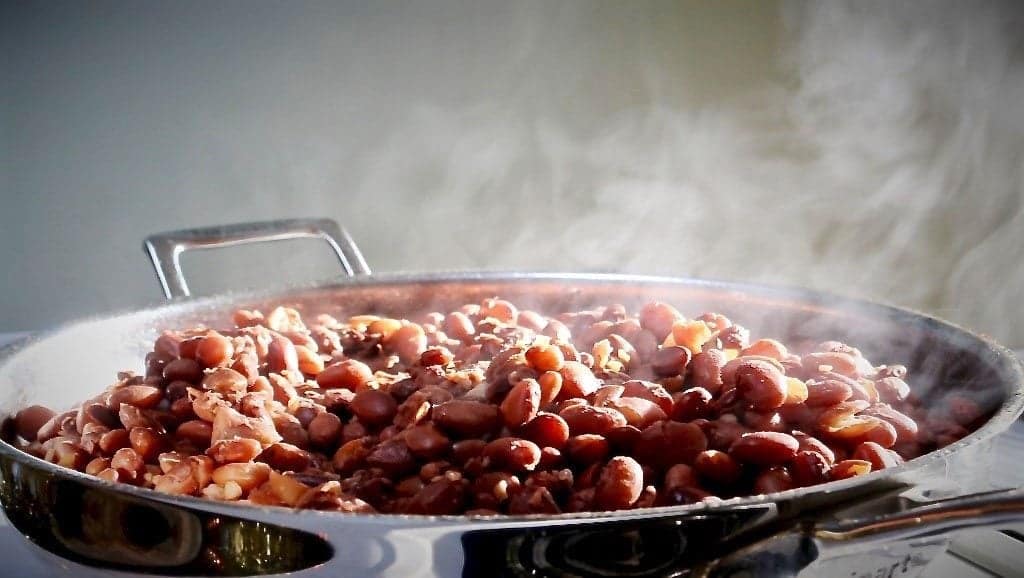

Rice, pasta, oatmeal, tortillas, beans and fruit can all contribute carbohydrate.
This is one reason so many of our proposed freeze-dried meals work well for the trail. Chili Mac, rice skillets, oatmeal with fruit powder, spaghetti and similar meals combine carbohydrate with other nutrients rather than providing protein alone.
MedlinePlus notes that carbohydrates are an important fuel for exercise and that people performing prolonged activity need adequate calories and carbohydrate to maintain performance.
Include Protein Throughout the Day
Protein helps maintain and repair body tissues.
Freeze-dried cooked beef, taco meat, shredded chicken, eggs and beans can all contribute protein to homemade field meals.
But protein doesn’t have to come entirely from the freeze dryer.
Nuts, seeds, nut butters and other shelf-stable foods can make very useful additions.
Don’t Forget Fat
Fat is particularly interesting when planning lightweight food because it contains a lot of energy for its weight.
But high-fat foods are often poor choices for long-term home freeze drying because freeze drying removes water, not fat.
That is another reason hybrid rations make sense.
Use the freeze dryer for lean meats, meals, fruits and vegetables, and get some of your calories from naturally shelf-stable foods such as nuts, seeds and nut butters.
Keep Some Fruits and Vegetables in the Plan
It would be easy to build a lightweight ration entirely around meat, pasta, rice and snack bars.
Try not to.
Freeze-dried fruits and vegetables are an excellent way to put more variety into a field ration without adding much weight.
Fruit pieces and fruit powders can go into oatmeal or be eaten as snacks. Vegetables can become part of soups, chili, rice dishes and skillet meals.
USDA’s MyPlate guidance recommends eating a variety of fruits, vegetables, grains and protein foods rather than depending heavily on just one food group.
Think About Nutrition Across the Whole Day
Every individual meal does not have to be nutritionally perfect.
Look at the complete day’s ration.
For example:
- Breakfast: oatmeal + powdered fruit + powdered milk + nuts
- Trail snack: freeze-dried fruit + trail mix
- Lunch: taco meat + tortilla
- Snack: nut butter + crackers
- Dinner: chicken-and-rice skillet or chili
- Treat: something you actually enjoy eating
Across the day you have carbohydrates, protein, fat, fruits, grains and a variety of foods rather than trying to force every nutrient into one freeze-dried pouch.
Watch the Calories Per Ounce When Weight Matters
For backpackers carrying several days of food, nutrition has to be balanced against weight.
REI suggests that 100 to 125 calories per ounce is a useful starting target when evaluating backpacking foods.
- However, that doesn’t mean every item must meet that number. Freeze-dried berries won’t—and they may still earn their place because they provide flavor, variety and nutrients.
- Think about the ration as a whole.
- Low-calorie freeze-dried fruits and vegetables can be balanced with calorie-dense nuts, nut butters, seeds and other shelf-stable foods.
- The goal is not to make every ounce identical.
The goal is to carry enough nourishing food without carrying more weight than the trip requires.
And remember that water is part of the nutritional plan too. A lightweight freeze-dried ration is only useful when you also have a realistic plan for adequate drinking and rehydration water.
A Practical One-Day Homemade Field-Ration Idea
You do not have to copy this menu. Use it as an example of how different foods can work together.
- Breakfast:
Quick oatmeal packet with powdered freeze-dried applesauce or berry powder, powdered milk and nuts. - Morning trail food:
Trail mix and freeze-dried fruit. - Lunch:
Freeze-dried taco meat or shredded beef rehydrated and rolled into tortillas. - Afternoon food:
Nut butter with crackers or an energy bar. - Dinner:
A complete freeze-dried meal such as Taco Chili Mac, spaghetti, chili, a rice skillet or small-piece beef stew. - Something enjoyable:
A favorite shelf-stable treat or a tested freeze-dried dessert.
This gives the freeze dryer specific jobs rather than expecting it to supply every calorie in the pack.
Think About Fat Before Freeze Drying Dinner
Some of our favorite dinners need adaptation before they become good storage foods.
For example, sausage, cream sauces, large amounts of cheese and very fatty ground meat can all increase the fat content considerably. A recipe such as our Creamy Cajun Sausage Rice Skillet has a great field-meal structure—small components, rice, protein and sauce—but the original version is rich in sausage, cream and cream cheese.
For freeze drying, particularly if I wanted longer storage, I would consider making a leaner field version rather than putting the original recipe straight into long-term storage. It will freeze dry and store. but the shelf life will significantly shorten over other, leaner meals.
That is another reason to think in terms of meal architecture rather than rigid recipes.
Keep the Cajun seasoning, rice, peppers and overall flavor profile. Change the fat level if needed by replacing the heavy fats with leaner options.
Package Meals for the Way You Will Use Them
For longer storage, I use high-barrier Mylar-style bags with appropriately sized oxygen absorbers.
Read Tips for Freeze Dried Food Storage and Oxygen Absorbers for Freeze-Dried Food for our full storage process.
- Have your packaging station completely ready before you remove finished food from the freeze dryer.
- Freeze-dried foods readily take moisture back from humid room air.
- For individual field meals, package one serving per pouch when practical.
Label (VERY Important) each one with:
- the meal name,
- packaging date,
- amount of water to add,
- rehydration time,
- whether heat is required,
- and any other preparation instructions.
If the food still requires cooking for safety, make that unmistakably clear.
Don’t Automatically Give Homemade MREs a 25-Year Shelf Life
You’ll often see claims that freeze-dried foods last 20 or 25 years.
That does not mean every dinner produced in a home freeze dryer should automatically receive a 25-year expiration date.
Shelf life depends on:
- the food,
- fat content,
- how completely it dried,
- packaging,
- exposure to oxygen and moisture,
- storage temperature,
- and storage conditions over time.
University Extension guidance notes that research on specific shelf lives for foods produced in home freeze dryers is still limited.
I prefer to label the processing or packaging date and rotate our foods through storage rather than assign a shelf life I cannot verify.
A meal intended for this year’s camping season has very different storage requirements from one you hope to keep for emergency use years from now.
Food Safety Still Applies in the Field
Freeze drying removes available water. It does not sterilize food.
Food that needed safe cooking before freeze drying or after rehydration still needs that kill step.
For my homemade complete MREs, I prefer to begin with fully cooked foods so the person using the package isn’t responsible for safely cooking raw meat in the field.
USDA recommends reheating previously cooked leftovers to 165°F. Once a freeze-dried perishable meal is rehydrated, treat it as perishable again. Read Freeze Drying Food Safety for the complete safety discussion.
Build the Food Around the Trip
This is really the heart of making and planning your homemade MREs.
Begin with the person or people who will eat the food.
- Where are they going?
- How hard will they be working?
- How much food will they need?
- Will they have water?
- Will they have heat?
- How much weight can they carry?
- How much time will they have to cook?
Then decide what belongs in the freeze dryer.
For one trip, the answer might be homemade spaghetti, chili and beef stew.
For another, it might be taco meat, oatmeal packets and freeze-dried fruit.
For a dry day hike, the freeze dryer may only supply a bag of lightweight fruit while most of the calories come from trail mix, nut butter, jerky, tortillas and bars.
That’s using your freeze dryer intentionally, as a tool to complete your MREs in the best possible way.
The best homemade freeze dried MRE is the one that gives you enough food, works with the resources you actually have and becomes something you will be happy to eat when you need it.
FAQ
What is the best homemade freeze-dried meal for camping?
Highly nutritious, meals made with mixed ingredients in small pieces tend to be especially practical. Rice meals, chili, ground-meat skillets, small pasta dishes and soups can all work well when they are prepared with rehydration in mind.
Can I freeze dry spaghetti?
Yes. Use fully cooked pasta and sauce. For field meals, shorter noodles or smaller pasta shapes are easier to package, stir and rehydrate evenly than long tangled spaghetti.
Can you freeze dry lasagna?
Lasagna can be freeze dried, but for field use I would consider a loose or deconstructed lasagna rather than a thick layered square. Smaller pieces dry and rehydrate more predictably.
Can I make homemade instant oatmeal with freeze-dried fruit?
Yes. Quick oats can be combined with powdered freeze-dried fruit, small fruit pieces, powdered milk, spices and sweetener. Nuts or nut butter can add calories and fat without needing to be freeze dried.
Can I eat freeze-dried food without water?
Some properly prepared ready-to-eat freeze-dried foods can be eaten dry. Freeze-dried fruits are an obvious example, and some cooked foods can also be eaten directly from the package.
But there is a difference between eating a handful of freeze-dried strawberries and trying to eat an entire dry freeze-dried dinner.Freeze-dried food contains very little moisture. Eating a substantial dry meal can be difficult to chew and swallow, particularly when you are already thirsty or dehydrated. Adequate fluid also helps the digestive system handle fiber normally.
For that reason, I would normally rehydrate complete meals such as lasagna, spaghetti, chili or stew and drink adequate water with any dry freeze-dried foods eaten as snacks.
In an emergency, a fully cooked freeze-dried food that is otherwise safe to eat does not suddenly become unsafe simply because you cannot rehydrate it. But a lack of drinking water is itself a serious problem, and dry meals should not be used as a substitute for a sensible hydration plan.
And remember: foods that still require cooking for food safety—such as raw freeze-dried meat or eggs—are not ready to eat dry simply because they have been freeze dried.
Does powdering freeze-dried food reduce how much water it needs?
Powdering greatly improves surface area and can make a food hydrate much faster and more evenly. It does not necessarily reduce the total water required to restore the food’s original moisture.
What should I eat when water is limited?
Build more of the ration around ready-to-eat shelf-stable foods such as nuts, trail mix, nut butter, jerky, bars, tortillas and dried foods. Use freeze-dried foods strategically rather than making every meal dependent on rehydration.
Can I freeze dry leftovers for camping meals?
Yes, if the original food was cooked and handled safely and is suitable for freeze drying. The freeze dryer cannot make improperly handled leftovers safe.
What family dinners make good freeze-dried field meals?
Look for loose meals built around rice, small pasta, beans, ground or shredded meats, small vegetables and sauces. Browse our Easy Weeknight Dinners Hub for ideas and adapt recipes by controlling fat, reducing ingredient size and testing rehydration before making a large batch.
What is the Difference Between Freeze-Dried Food and MRE?
MRE is a purposefully designed pre-packaged, ready-to-eat meal designed to keep people alive in extreme circumstances. MREs are otherwise known as Meals Ready to Eat. This is a concept the military devised for the troops out in the field and freeze drying makes this a pretty easy thing to do.
Military MREs are designed to be consumed without any additional preparation. While some items might benefit from heating and the military MRE will provide a heater for this, the food can be eaten straight from the package.
Freeze dried MREs will need water to hydrate them. And often hot water will make the meal more palatable. Freeze-drying is a single, versatile, long-term food preservation method with a wide range of uses including making MRE’s. However, military MREs, used in both military and civilian versions, use various preservation techniques, including freeze drying to keep troops alive in field conditions with a complete daily ration of calories and nutrients.
The homemade or purchased Freeze dried MRE has some things in common with the military MREs but they are not the same thing. When you make your own MRE from freeze dried food you will need to develop MREs with your own priorities in mind. This may be different from ensuring a full days calories in one pouch.
Does the Military use Freeze-Dried Rations for MREs?
Military MREs use a variety of preservation methods, and freeze-drying is just one of them. MREs come in a complete, self-contained package that includes not only the main entrée but also a variety of side dishes, snacks, desserts, beverages, and accessories (like utensils, napkins, and heating elements right in the MRE package). The packaging is durable and designed to withstand harsh conditions like dropping out of an airplane at 1200 feet.
MRE’s are a slick idea and these daily ration food packs have kept troops and survivors of natural disasters alive through many conditions unimaginable to civilians. There may be some freeze dried snacks, fruits or other easy to eat freeze dried foods included, but the ones our family have purchased from sporting goods stores have only used a pouch of a fully hydrated meal. Just open, heat (if you can) and eat.
Are Freeze Dried Camping Meals Healthy?
Yes, Since freeze drying retains up to 97% of the foods nutrients, If you create your MRE out of nutritious foods, homemade freeze dried MREs are healthy. It’s all about what you freeze dry and put into the package.
Read More On Freeze Drying:
- Freeze Drying Food Safety: How to Preserve Food Safely at Home
- Freeze Dried Food Storage Tips for Short and Long Term Storage
- How Does Freeze Drying Work?