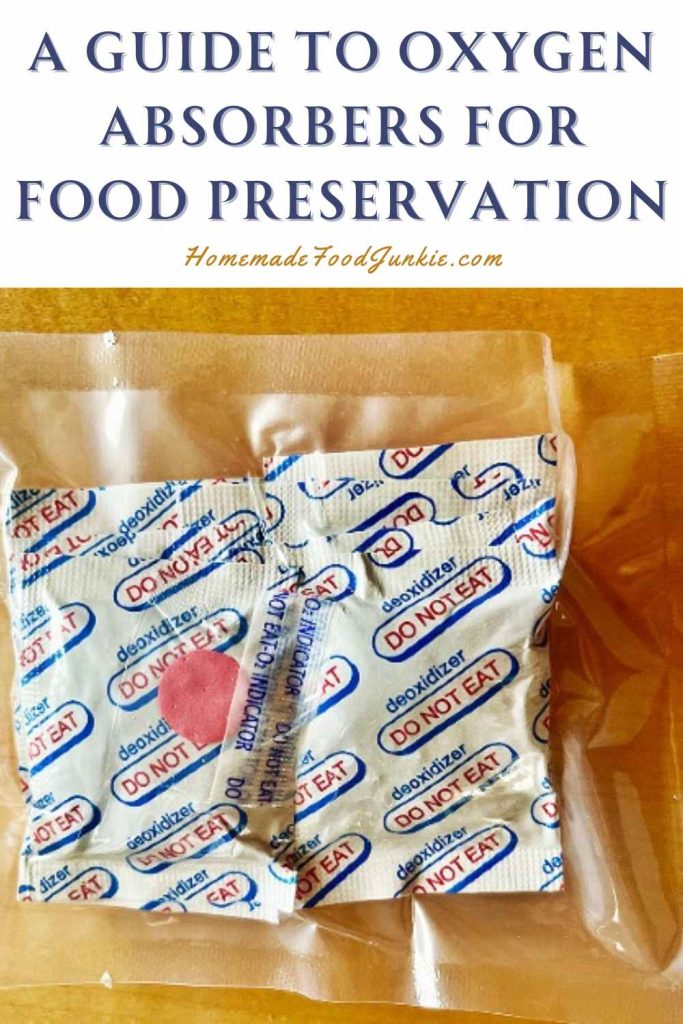
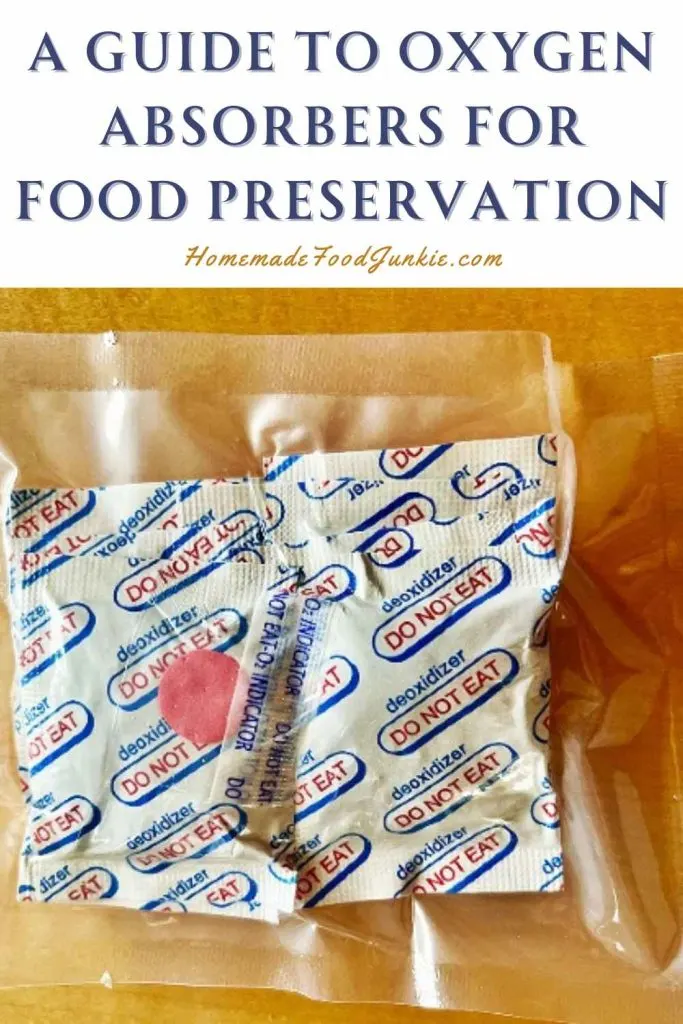
Welcome to our informational series on Freeze Drying. This post explains Oxygen absorbers. What they are, how they work and why they NEED to be included in your long term storage equipment for freeze dried goods.
It’s a good idea to use Oxygen absorbers for food storage. They help a great deal to ensure your dry foods stay fresh in storage
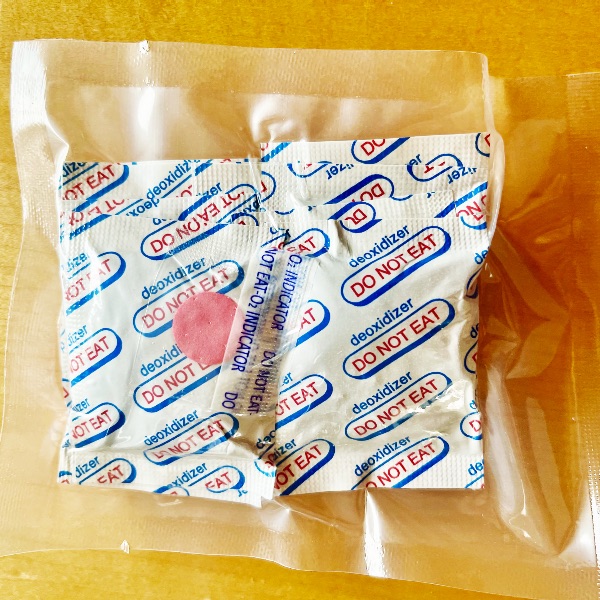
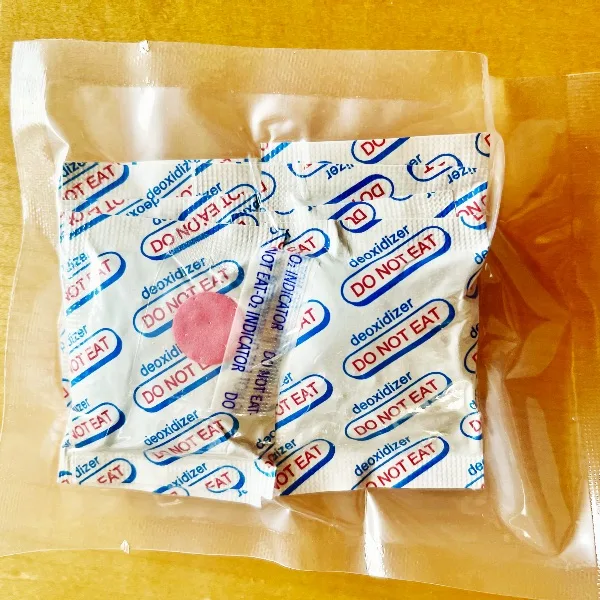
Oxygen absorbers are small packets used inside sealed food-storage containers to remove much of the oxygen remaining after the container is closed. For home freeze dryers, they are an important part of packaging foods intended for longer storage.
But there is an important distinction to understand:
An oxygen absorber protects properly freeze-dried food. It cannot make incompletely dried food safe for shelf storage.
That distinction matters.
When I first learned to freeze dry food, one of my biggest challenges was determining whether a batch was actually finished. Dense foods such as sauces and purees could feel dry around the outside while remaining cold or incompletely dried in the center.
Packaging is the final step in freeze drying, but successful storage begins before the food ever goes into a Mylar bag or jar.
Let’s look at what oxygen absorbers actually do, when you need them, and where silica gel and vacuum sealing fit into the picture.
What Is an Oxygen Absorber?
An oxygen absorber, sometimes called an oxygen scavenger or O2 absorber, is a small food-safe packet designed to reduce the amount of oxygen inside a sealed package.
Many commonly used oxygen absorbers contain iron. Once exposed to air, the iron reacts with oxygen and oxidizes. In simple terms, the packet captures oxygen that would otherwise remain inside the package with your food.
This is useful because oxygen contributes to deterioration during storage.
Reducing oxygen exposure can help protect food against:
- oxidation and rancidity
- loss of flavor and aroma
- color deterioration
- degradation of some oxygen-sensitive nutrients
- insect survival in stored dry foods
Oxygen absorbers work best as part of a complete storage system rather than as a substitute for one.
Properly dried food + appropriate packaging + oxygen control + cool, dry, dark storage work together to protect freeze-dried food.
Why Use Oxygen Absorbers With Freeze-Dried Food?
Fresh food contains a great deal of water. Freeze drying removes enough available moisture to prevent microorganisms from growing when the food is properly processed and kept dry.
However, freeze drying does not sterilize food.
Microorganisms present before freeze drying may survive the process. If the food later gains enough moisture, some microorganisms may again become capable of growth.
That is why we need to think of freeze drying and storage as two separate jobs.
The freeze dryer removes moisture.
The storage package protects the dried food from moisture, oxygen, light and environmental contamination afterward.
Oxygen absorbers help with one part of that system: oxygen.

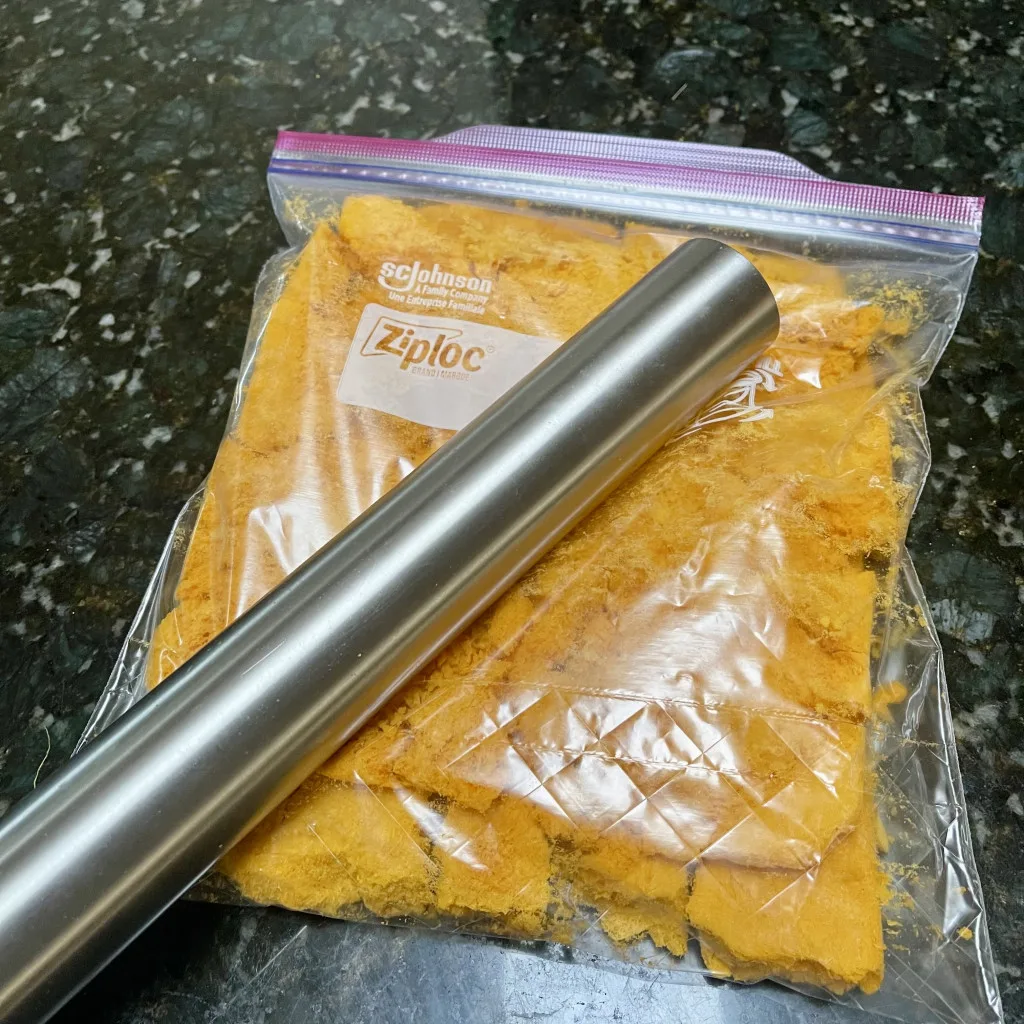
Make Sure the Food Is Completely Dry Before Packaging
This is one of the most important lessons I learned while using my freeze dryer.
Do not assume that a completed machine cycle means every part of every piece of food is equally dry.
Thick foods can be deceptive.
Pumpkin puree, tomato sauce, mashed foods, casseroles and other dense foods may become dry around the edges while retaining moisture farther inside.
And here is an extremely useful practical clue:
A cold spot in freeze-dried food can indicate remaining ice or moisture and deserves further investigation before the food is packaged.
Break open or otherwise check the thickest pieces and the center of dense foods. If you find cold, soft, gummy or damp areas, continue drying rather than packaging the batch for shelf storage.
Research-based home freeze-drying guidance recommends checking foods for complete dryness before packaging, including breaking larger pieces apart and checking the center. The LSU Ag Center offers useful information on determining dryness, packaging and storing home freeze-dried foods.
Uniform tray preparation also helps. Spread purees evenly and cut solid foods into reasonably uniform pieces so the batch can dry more consistently.
Once properly freeze-dried food leaves the machine, package it promptly. Freeze-dried foods readily absorb moisture from humid room air.
An oxygen absorber cannot correct food that went into the package insufficiently dried.
Can I Vacuum Seal Freeze-Dried Food Instead?
Yes, but vacuum sealing and oxygen absorption accomplish somewhat different things.
A vacuum sealer physically removes much of the air from a package before it is sealed. An oxygen absorber chemically removes oxygen remaining in the sealed environment.
A vacuum package may still contain residual oxygen. The amount depends on the equipment, package and food.
There is also an important difference between vacuum sealing and using a package that provides a strong long-term oxygen and moisture barrier. Some common vacuum-sealer bags are more permeable to oxygen and moisture than high-barrier storage packaging.
For food you expect to eat relatively soon, vacuum sealing can be very useful.
For longer storage, I prefer a high-barrier package such as an appropriate Mylar-style bag along with a properly sized oxygen absorber.
You don’t necessarily have to choose between vacuum sealing and an oxygen absorber. They can be complementary tools when used with appropriate packaging.
Oxygen Absorbers vs. Silica Gel Packets
This is where these two little packets are often confused.
| Packet | What it controls | Primary purpose |
|---|---|---|
| Oxygen absorber | Oxygen | Reduces oxygen remaining in a sealed package |
| Silica gel/desiccant | Moisture | Absorbs water vapor inside a package |
They do different jobs.
For properly freeze-dried food, the goal should never be to depend on silica gel to finish drying the food after packaging.
If food contains questionable pockets of residual moisture, it should go back into the freeze dryer rather than into long-term storage with an extra desiccant packet.
A food-grade desiccant can provide additional moisture control in appropriate packaging situations, but it is backup moisture management—not a correction for an incomplete freeze-drying cycle.
This is an important change from the way I once thought about silica packets. As I’ve learned more about freeze drying, I’ve come to view them as a packaging tool for specific circumstances rather than insurance against food that may not have dried completely.
When Might a Desiccant Be Useful?
Freeze-dried food is extremely hygroscopic, meaning it readily takes up moisture from its surroundings.
A food-grade desiccant may therefore be useful when packaging recommendations call for it, particularly where environmental humidity or the type of package makes additional moisture control desirable.
But the order of operations remains:
Dry the food completely first. Then protect it from moisture during packaging and storage.
Never intentionally package incompletely dried food and rely on silica gel to make it shelf stable.
Do Oxygen Absorbers Make Freeze-Dried Food Safe?
No.
Oxygen absorbers are storage aids, not a kill step.
Freeze drying itself also does not reliably destroy all disease-causing microorganisms.
Research based home freeze drying guidance now agree:Raw foods remain raw foods after freeze drying. Freeze drying is a preservation process, not a sterilization process. Microorganisms can survive freeze drying, which is why safe food handling before processing and proper handling, rehydration and cooking afterward still matter.
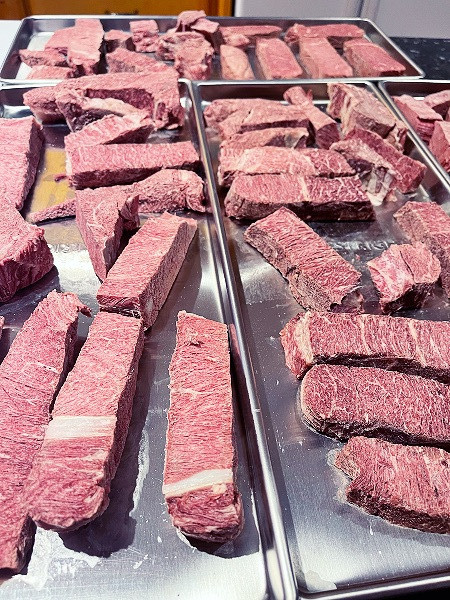
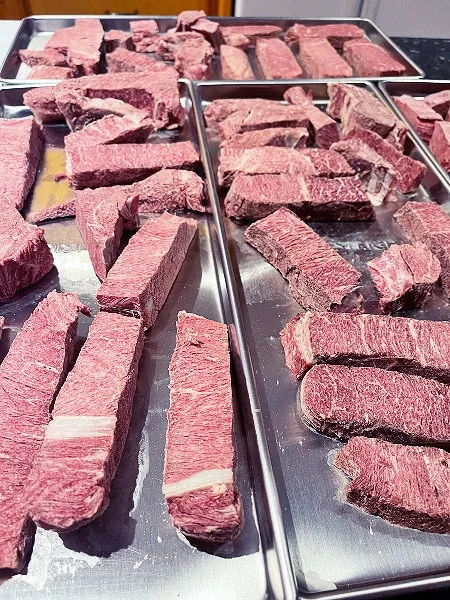
Freeze-dried raw meat must still be handled and cooked as raw meat. The same principle applies to raw eggs and other foods that normally require safe handling and cooking.
Removing oxygen does not replace:
- safe food handling
- adequate freeze drying
- proper packaging
- correct storage
- safe rehydration
- proper cooking
We are developing a separate guide to Home Freeze-Drying Food Safety because this subject deserves much more explanation than we can reasonably include here.
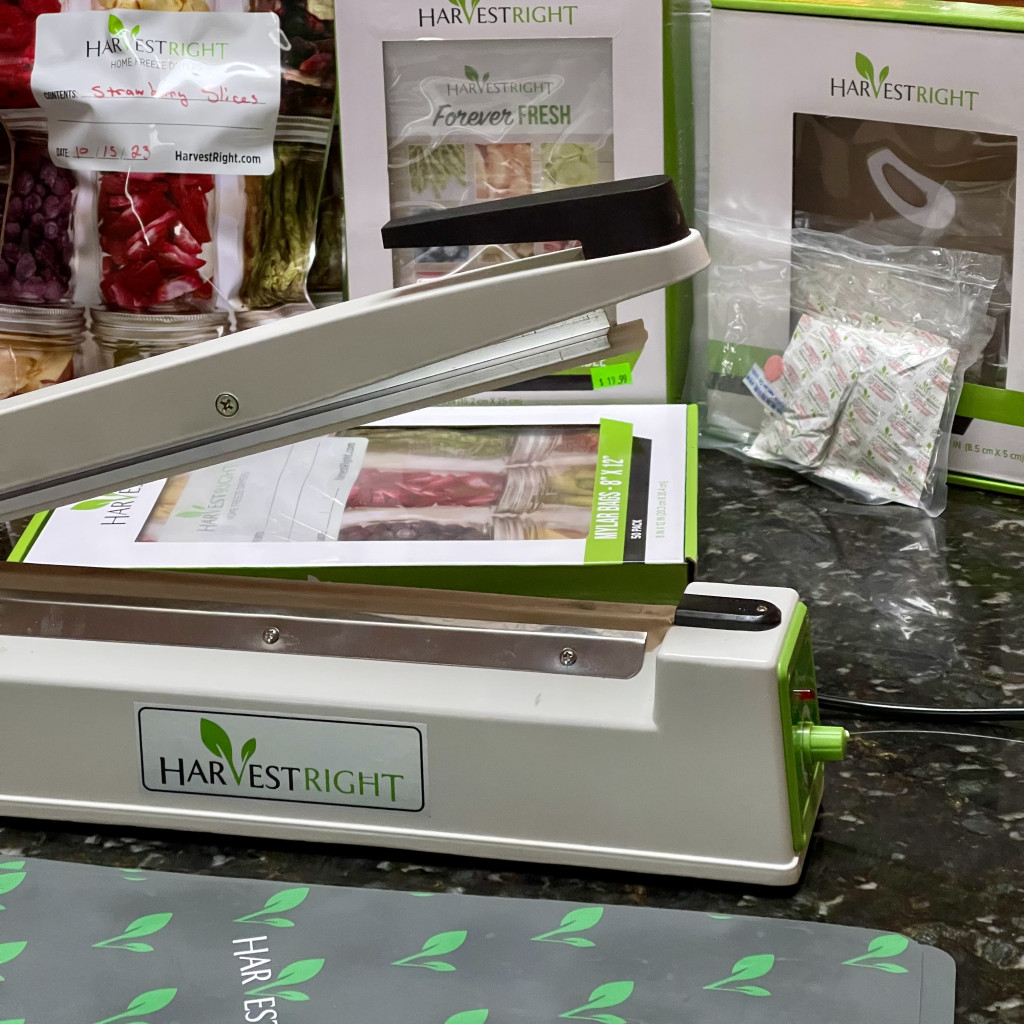
What Size Oxygen Absorber Should I Use?
Oxygen absorbers are commonly rated in cc, referring to their oxygen-absorbing capacity.
There isn’t one perfect absorber size based solely on bag dimensions because the amount of oxygen inside a package also depends upon the food.
A bag filled tightly with a dense powder contains a different amount of trapped air than the same bag filled with large, porous pieces of freeze-dried food.
For that reason, I no longer recommend relying on a simple formula such as dividing the total container volume by five and assuming that number is correct for every food.
Instead, use the sizing recommendations supplied by a reputable oxygen-absorber or food-storage packaging manufacturer for your particular container and food type.
When uncertain, using an absorber with somewhat greater capacity is generally preferable to using one that is undersized.
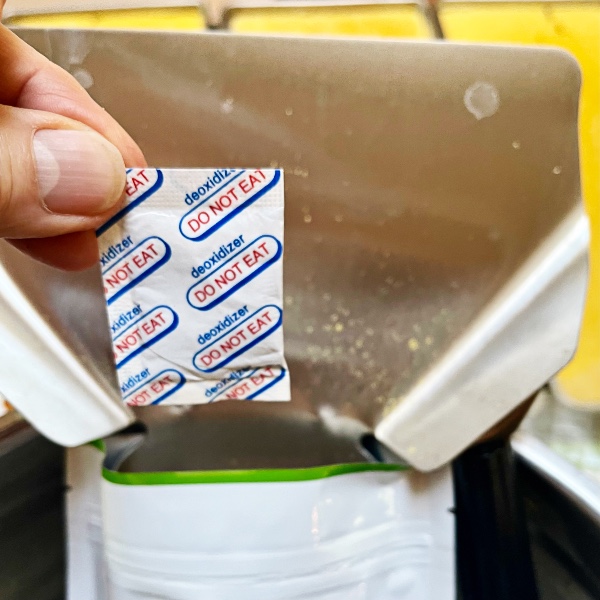
How to Use Oxygen Absorbers
Get everything ready before opening your package of oxygen absorbers.
Freeze-dried food begins absorbing atmospheric moisture once it leaves the machine, while oxygen absorbers begin reacting with oxygen once exposed to air. This is not the time to start looking for your labels and heat sealer.
Have your food, bags or jars, labels, oxygen absorbers and sealing equipment ready first.
Then:
- Confirm that the food is completely freeze dried.
- Place the food into a clean, dry, appropriate storage container.
- Add the correctly sized oxygen absorber.
- Remove excess air when appropriate.
- Seal the package promptly.
- Check the seal carefully.
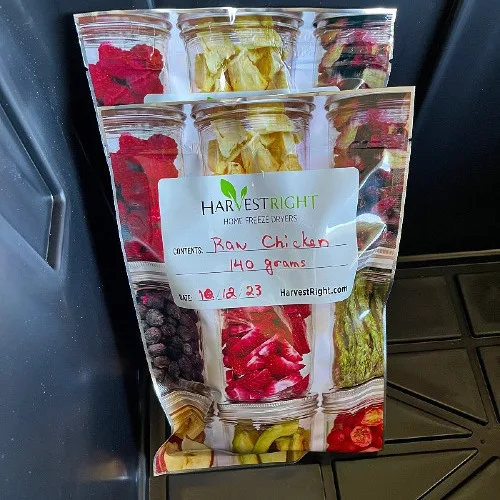
- Label the package with the contents and date.
- Note whether foods such as meat or eggs were freeze dried raw or cooked.
- Store the package in a cool, dry, dark location.
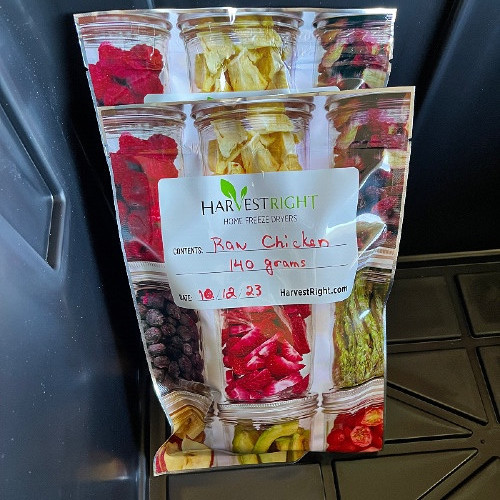
That last labeling step becomes especially important when storing raw freeze-dried foods. Six months from now, you should not have to remember whether that package contains cooked chicken or raw chicken.
Why Didn’t My Mylar Bag Shrink?
This confuses many people the first time they use oxygen absorbers.
An oxygen absorber is not a vacuum sealer.
Oxygen makes up only part of normal air. An oxygen absorber removes oxygen but leaves other gases, primarily nitrogen, behind.
Consequently, your bag does not necessarily have to collapse tightly around the food for the absorber to be working.
Don’t use the appearance of a vacuum as your only test of successful packaging.
How Do I Know Whether an Oxygen Absorber Is Still Good?
Oxygen absorbers begin working once exposed to air, so minimize the time they spend sitting on the counter.
Some packages contain an oxygen indicator that provides additional information about exposure. Follow the manufacturer’s directions for that particular product.
Absorbers that have become hard or obviously spent should not be relied upon.
The simplest approach is also the best: prepare everything first, remove only the absorbers you need, and immediately reseal the remaining absorbers in an appropriate airtight container or package according to their manufacturer’s instructions.

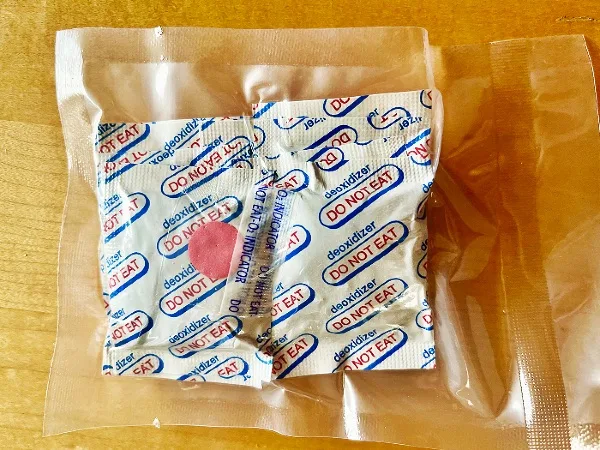
How Should I Store Unused Oxygen Absorbers?
Keep unused absorbers sealed away from air and moisture.
For small quantities, an airtight glass jar can be convenient. Manufacturer packaging that can be properly resealed may also work.
Avoid repeatedly opening a large supply every time you package one or two bags of food. If you freeze dry frequently, dividing your supply into smaller airtight quantities can reduce unnecessary exposure.
Best Containers for Freeze-Dried Food
Packaging choice should match the length and purpose of storage.
For longer storage, you want a container that provides a strong barrier against oxygen and moisture and preferably protects the food from light as well.
Common options include:
High-barrier Mylar-style bags: Lightweight, compact and well suited to longer storage when appropriately selected and properly heat sealed.
Mason jars: Very useful when you want to see and regularly use the food. Vacuum sealing can further reduce the air inside.
Metal cans: Excellent oxygen and light barriers when properly sealed, although less practical for many home freeze dryers.
Vacuum-sealer bags: Convenient for shorter-term use, but not every vacuum bag provides the same long-term moisture and oxygen barrier.
Whatever container you choose, the seal matters. A premium storage bag with a poor heat seal is still a failed storage system.
Oxygen Absorbers and Food Safety
Oxygen absorbers should be used only with foods appropriate for dry storage.
Do not assume that putting an oxygen absorber into a package automatically makes its contents shelf stable.
This is particularly important with moist foods. Removing oxygen from an inadequately preserved food can create a low-oxygen environment without solving the underlying moisture problem.
Some dangerous microorganisms favor low-oxygen environments. Clostridium botulinum, the organism associated with botulism, is the classic example.
That is one reason the rule is so important:
Never use oxygen absorbers to compensate for food that is not completely dried.
When in doubt about the dryness or safety of a home-preserved food, do not taste it to determine whether it is safe.
What About Oxygen Absorbers and Pets?
Keep oxygen absorbers away from children and pets.
Some iron-containing oxygen absorber packets can cause poisoning if ingested by dogs. Dispose of spent packets where pets cannot reach them, and don’t leave unused absorbers sitting around while packaging food.
The Complete Freeze-Dried Food Storage System
It’s tempting to focus on oxygen absorbers, Mylar thickness, vacuum sealers or silica packets because those are things we can buy and measure.
But none of them is the most important part of the process.
The food has to be successfully preserved before long-term storage begins.
For home freeze drying, think of the process this way:
Safe preparation → complete freeze drying → prompt packaging → oxygen and moisture protection → appropriate storage → safe rehydration and cooking.
Every step protects the work and money you invested in the food before it.
And that is really the value of an oxygen absorber. It isn’t a magic packet that makes food safe. It’s one inexpensive component of a good storage system that helps protect properly freeze-dried food after you’ve done the hard part correctly.
Frequently Asked Questions About Oxygen Absorbers
Do freeze-dried foods need oxygen absorbers?
For freeze-dried foods intended for longer shelf storage, properly sized oxygen absorbers are commonly recommended as part of an appropriate high-barrier packaging system. They help reduce oxidation and protect food quality during storage.
Do I need an oxygen absorber if I vacuum seal the food?
Possibly. Vacuum sealing removes much of the air, while an oxygen absorber removes residual oxygen. The appropriate approach depends on the package, expected storage time and food. Some ordinary vacuum-sealer bags are not designed as long-term oxygen and moisture barriers.
Can I use oxygen absorbers and silica gel together?
They perform different functions and can be used together when appropriate. An oxygen absorber controls oxygen; a food-grade desiccant controls moisture. However, silica gel should never be used as a substitute for completely freeze drying food before packaging.
Can an oxygen absorber make damp food safe?
No. Never rely on an oxygen absorber to preserve food containing residual moisture. If freeze-dried food has cold, soft, gummy or damp areas, continue drying it rather than packaging it for shelf storage.
Why isn’t my Mylar bag tight after adding an oxygen absorber?
Oxygen absorbers don’t remove all gases from the package. They remove oxygen, while much of the remaining air consists of nitrogen and other gases. Therefore, a properly functioning oxygen absorber does not necessarily make the package look vacuum sealed. I have noticed in my own storage that after several weeks some of my bags have tightened up. The O2 absorbers take time to fully absorb O2 in the bag.
Can I put oxygen absorbers in Mason jars?
Yes, oxygen absorbers can be used in appropriate airtight jars containing properly dried foods. Vacuum-sealing Mason jars is another useful packaging option.
How quickly should freeze-dried food be packaged?
Immediately or as soon as practical after confirming that the food is completely dry. Freeze-dried food readily absorbs moisture from room air, particularly in a humid kitchen. Set up your packaging center before removing trays from the freeze dryer to avoid potential mositure absorbtion.
Does freeze drying kill bacteria?
No. Freeze drying should not be considered a sterilization process. Raw meat, eggs and other raw foods that require cooking remain foods that require safe handling and cooking after freeze drying.
Can I tell whether questionable freeze-dried food is safe by smelling or tasting it?
No. Appearance, smell and taste cannot reliably establish the microbiological safety of questionable stored food. If freeze dried food has too much moisture in it, microbial activity can continue after storage. Do not taste suspicious home-preserved food as a safety test.
Are oxygen absorbers reusable?
Generally, the common iron-based oxygen absorbers used for food storage are considered single-use products. Once their oxygen-absorbing capacity has been consumed, replace them rather than attempting to reactivate them.